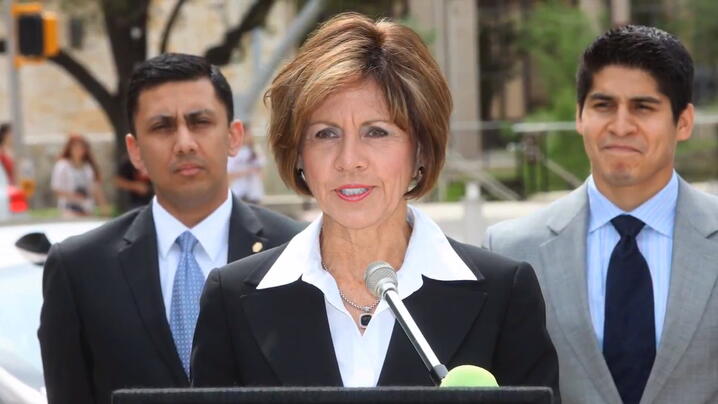
Have you identified your spokesperson? In the ICMA publication, InFocus Report: Effective Crisis Communication, it notes that the right spokesperson possesses a number of critical skills, including:
Interpersonal communication
- Express empathy and compassion for the victims and their loved ones who are
- affected by a crisis
- Acknowledge feelings
- Acknowledge criticism without becoming defensive
- Handle hostility, fear, and anger.
Presentation skills
- Know how to analyze the audience
- Model calm confidence and a positive attitude
- Know how to deliver bad news
- Stress key information
- Effectively and smoothly use visual aids such as Microsoft PowerPoint or Prezi
- Establish credibility
- Give clear instructions.
Interview skills
- Effectively answer media questions
- Avoid answering some questions; do it graciously
- Set limits when too much is being requested
- Practice listening skills
- Practice clarifying, paraphrasing, and acknowledging
- Practice handling press conferences, television, radio, and print media interviews.
Online and social media skills
- Develop familiarity with Twitter, Facebook, and YouTube as communication tools
- Identify appropriate RSS Feeds for emergency preparedness
- Compose e-mail alerts.
So, what really makes a good spokesperson? Here is a free, downloadable checklist of characteristics that will help you select the best representative during a crisis.
TO GAIN A PRACTICAL UNDERSTANDING OF CRISIS COMMUNICATIONS AND COMMUNITY ENGAGEMENT, PARTICIPATE IN ICMA'S NEW ONLINE CERTIFICATE PROGRAM, LOCAL GOVERNMENT 201.

Publish with ICMA!
We’re searching for interesting and insightful stories that can help others learn a memorable takeaway to serve their communities better.
