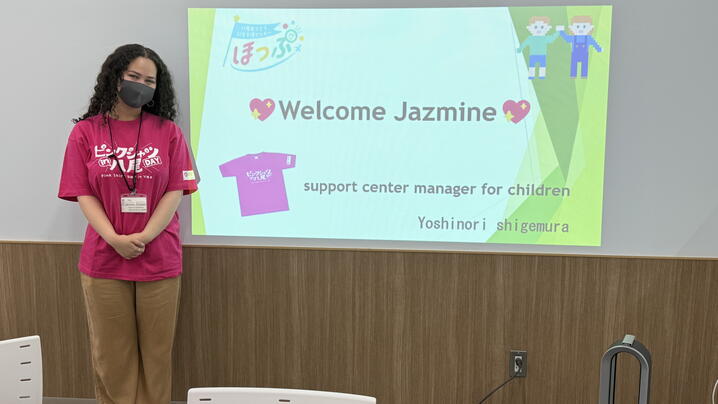
With the support of ICMA’s Tranter Leong Fellowship, I had the amazing opportunity to research an area of local government that is close to my heart while exploring the bustling and beautiful prefectures of Tokyo, Kyoto, Nara, and Osaka, Japan. It was enlightening to witness how human rights and diversity, equity, and inclusion (DEI) are being addressed in Japan. The importance of compassion, acknowledging harm, accessibility, and the role of local government are clear and consistent across nations. During this exciting trip, I learned how I can be a more inclusive and innovative leader in any organization I am a part of.
I found myself frequently surprised and inspired during my time in Japan, particularly while meeting with city staff from Yao, connecting with community leaders, documenting accessible and inclusive infrastructure, visiting human rights exhibits, and exploring the pavilions with themes of co-existence and international collaboration at the Osaka Expo 2025. My favorite learnings are highlighted below
Disability and older adult rights
Japanese local governments are enhancing access for all community members. At the Osaka Expo, there were exhibits addressing how people with disabilities are considered in disaster planning as well as guidance on barrier-free facilities. It was exciting to see Japan’s barrier-eliminating infrastructure, such as tenji blocks in most public areas and accessible bathrooms with side rails, wide spaces, and clear signage.
Children’s rights and support for parents
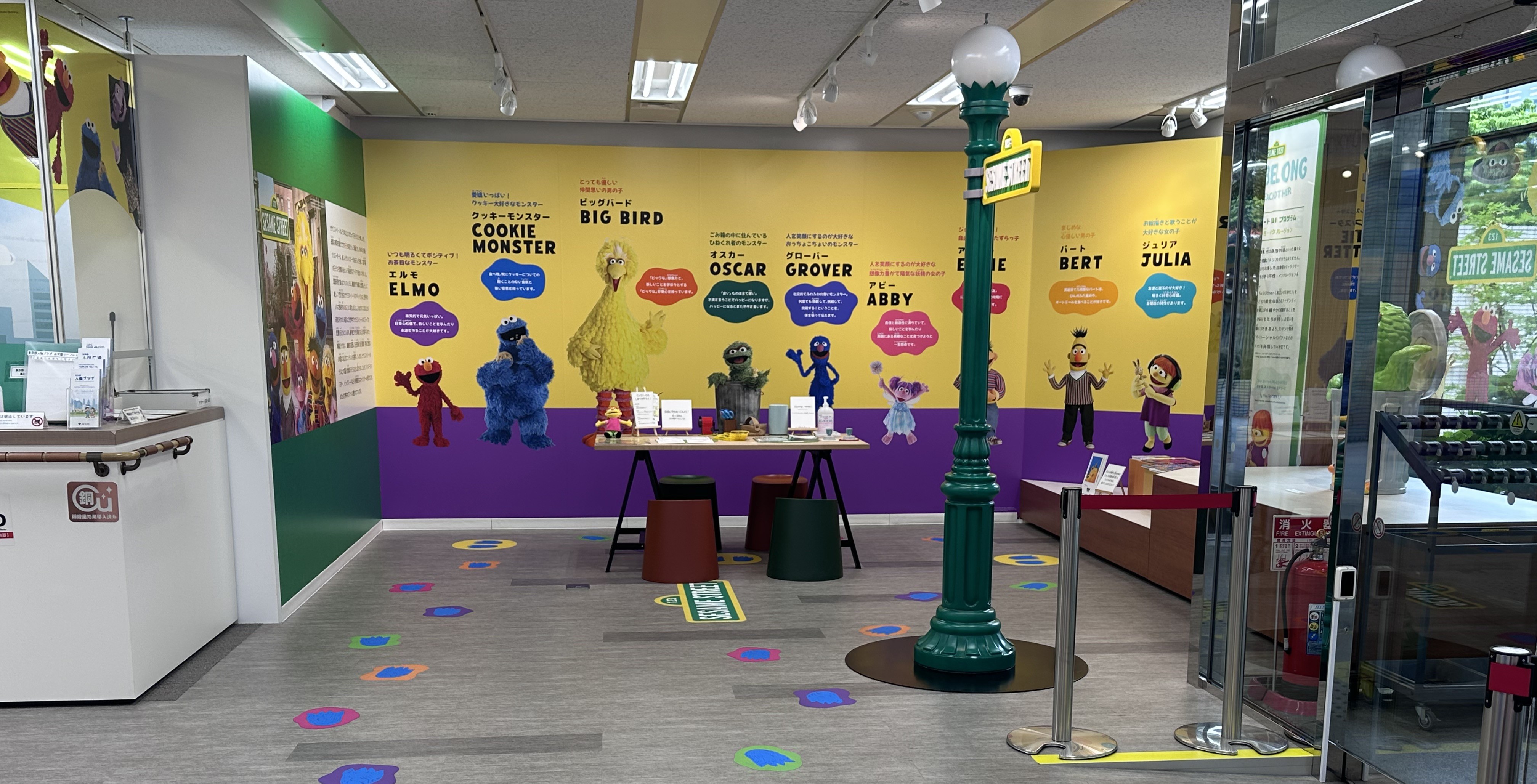
When entering Yao City’s Comprehensive Support Center for Children, the first thing that caught my attention was that the lobby had been transformed into a child play area, where children were kept busy while waiting for appointments and residents built rapport with center staff. The center addresses common challenges, such as bullying and hardships experienced at home, through a hotline for children and youth. The city also convenes a youth council that provides input to the city on issues important to them.
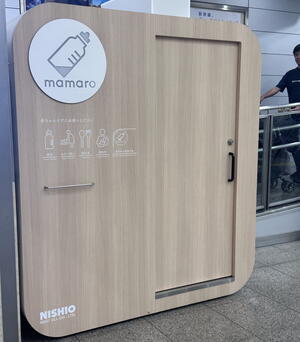
The center also offers play therapy, counseling, child abuse reporting, consultation for expectant families, and other resources and services. Additionally, I was impressed by the accommodations offered to parents throughout public spaces, including nursing capsules, toddler seats in bathroom stalls, and baby-changing facilities in gender-neutral restrooms.
At the Tokyo Human Rights Plaza, a significant section is dedicated to exploring children’s rights. This made me think about the children facing hardships in my community, especially as many are experiencing family separation or exposure to violence and instability affecting their loved ones in other parts of the world. Since local governments often strive to ensure families and children have a high quality of life, it is important to consider how historically marginalized families may be impacted, especially as demographics shift.
I was also impressed by Japan’s policies and benefits for new parents. While the United States does not have federal paid leave for new parents, Japan offers up to a year of paid leave for both parents. I am fortunate to live in Washington State, where there is a partially paid leave program for up to 12 weeks for prenatal/postnatal care and bonding, though this varies widely across the country.
This comparison prompted me to reflect on how different levels of government approach employee benefits and how local governments can learn from international practices when considering workforce support.
Women empowerment:
At the Business Connect Osaka event hosted by WEConnect International, women business owners and innovators from around the world came together to discuss women’s access to jobs and business ownership. Vendors showcased women-owned products and services designed to support women in the workforce, including organizations that consult with employers—such as city governments—on workplace equity and flexibility.
To better understand the historical context of women’s issues in Japan, I visited the Women’s Active Museum on War and Peace, which documents the experiences of women impacted by wartime policies and the ongoing efforts toward acknowledgment and redress. The exhibits highlighted both historical challenges and more recent legal reforms related to gender-based violence.
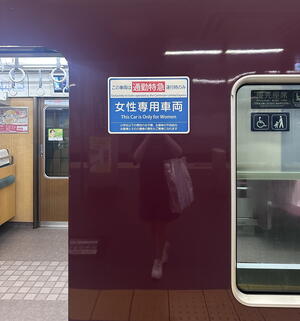
Women-only train cars (pictured right) are one example of how governments have sought to address safety concerns in public spaces, while also highlighting the importance of broader, long-term approaches to community safety.
Intercultural policy and language access
Japan’s cultural demographics are changing, with more foreign-born residents settling in the country. As a historically homogenous nation, Japan is taking steps to support this shift, such as through the Yao International Center, where multilingual staff assist immigrants and refugees navigating daily life.
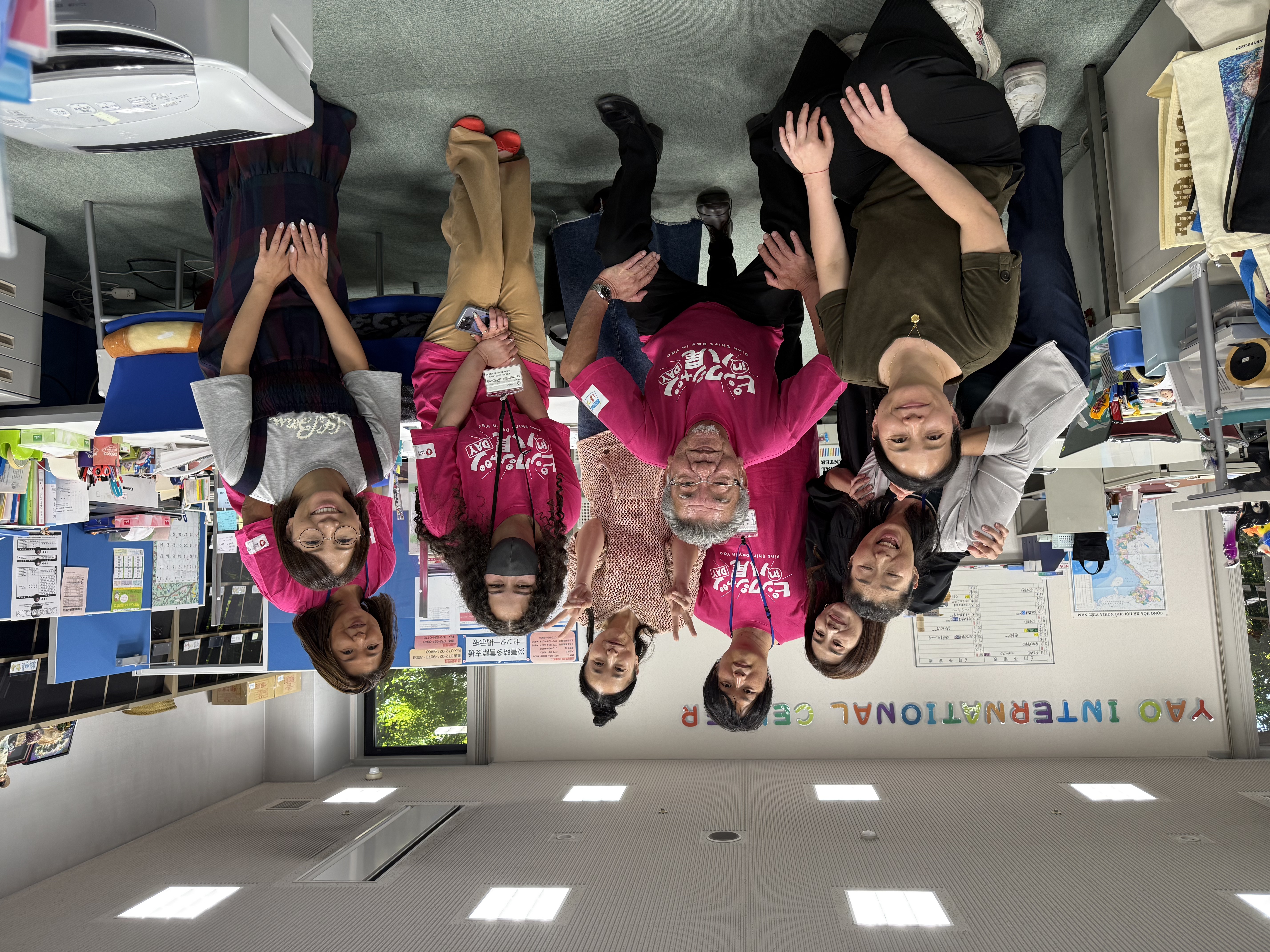
Being in a country where I did not speak the official language offered a humbling perspective on the challenges faced by non-English speakers in my own community and highlighted the importance of providing expanded language access. While meeting with city employees in Yao, we relied on interpreters, bilingual staff, and interpretation and translation technology. City officials explained that as the foreign-born population grows, translation and interpretation tools have become increasingly important, as well as other resources to support their transitions.
Education and awareness

Local government buildings I visited actively encouraged learning about human rights through community-based resources. One municipal building hosted a human rights library with materials on gender, LGBTQIA+ topics, disability, intersectionality, war, and genocide.
I was pleasantly surprised by the breadth of perspectives represented in this government-run library, which prompted me to reflect on ongoing conversations in the United States about educational content and representation of diverse lived experiences.
Integrated services
One of the most notable differences between the United States and Japan I observed was how embedded social and welfare services—along with education and healthcare—are within Japanese local governments. At Yao City Hall, residents could access school enrollment, healthcare sign-ups, and disability services in a single location.
Overall, this experience reinforced my belief that local governments play an important role in fostering a high quality of life for all community members. It also highlighted the value of ongoing dialogue between communities and their governments, even when those conversations are complex or challenging.
Another takeaway was that while education and awareness around human rights are essential, effective implementation often depends on policy and operational strategies. While admiring the educational human rights centers and other exhibits, I found myself curious about how community priorities are reflected in laws, programs, and services.
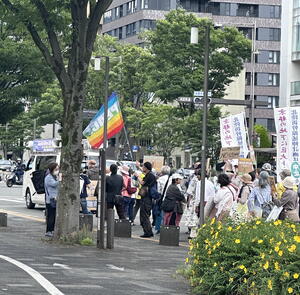
For example, I observed growing positive public awareness of LGBTQIA+ issues in Japan, alongside ongoing discussions about legal recognition and protections for same-sex couples. This prompted me to reflect on how celebrations of diversity can be strengthened when paired with sustained policy and programmatic efforts. When applying this learning in my own community, I hope to lead in ways that combine inclusion, responsiveness, and meaningful action informed by community voices.
Finally, I reflected on how local governments can work more closely with schools, social services, healthcare providers, and nonprofit organizations to promote healthy and thriving communities. This experience was incredibly enriching, and I am deeply appreciative of ICMA and the city of Yao for supporting my professional growth and providing me with the opportunity of a lifetime.
Global Knowledge Exchange Opportunities
Want to participate in a global knowledge exchange opportunity like this one? The ICMA Global Engagement Committee administers global exchange awards to qualifying ICMA members. Learn more about these opportunities and apply today at Tranter-Leong Fellowship and John Garvey Scholarship.
Publish with ICMA!
We’re searching for interesting and insightful stories that can help others learn a memorable takeaway to serve their communities better.
