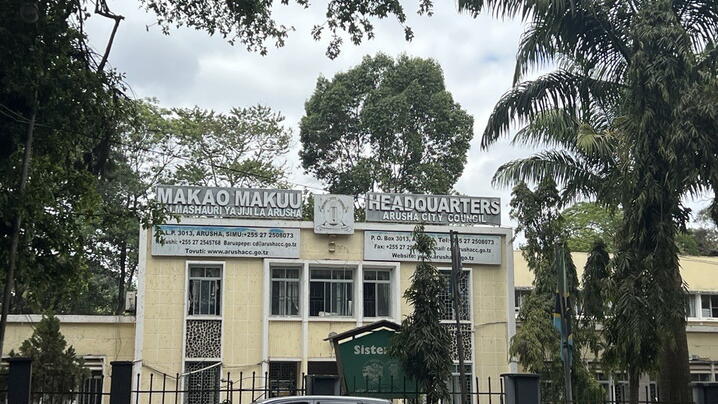
In October 2025, I had the opportunity to travel to Arusha, Tanzania, as a recipient of ICMA’s Tranter-Leong Fellowship. Arusha, Tanzania, is a city in the northern part of the country that borders Mt. Kilimanjaro. It is also a Sister City of Durham, North Carolina, which is why it was the perfect destination to learn about how other local governments manage their strategic planning and budget development processes.
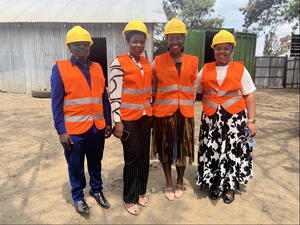
About Arusha City Council (CC)
Unlike many municipalities in the United States, the “city council” in Arusha is not referring to elected officials, but instead the staff members who manage the city’s day-to-day operations. Arusha CC was established in December 2012 as part of the greater Arusha Regional Council. As of the 2022 Census, the population was 617,631 and has steadily been increasing. Major industries include tourism, agriculture, gemstones mining, and manufacturing. The annual budget is 113 billion Tanzanian Shillings.
Major Lessons Learned
The most exciting part of my experience was learning that many of the challenges facing Durham are some of the most pressing issues facing Arusha. For example, Arusha has an extensive capital project portfolio that includes schools, markets, and transportation terminals. In speaking with their engineering staff, it was clear that the goal for the upcoming fiscal year is to prioritize existing projects. A new type of tension is created as residents want to see finished projects, as well as new infrastructure, which is a challenge being tackled in Durham, too.
Another important lesson learned was understanding how history is influencing the work done today. Arusha is built of numerous tribal affiliations, connections to Zanzibar and other tourist sites, and struggling between providing services in a rapidly urbanizing location while making sure rural residents still get the services they need. In Durham, there is a daily influx of new residents, the relationships with local universities, and the impact of historical decisions such as Highway 147 on long-time residents. These things influence what each city prioritizes in the budget and how services get delivered more efficiently and, in both Durham and Arusha, innovation through tension is revealing new opportunities for both cities to serve their residents. No city is run exactly the same and that became clear during my time in Arusha.
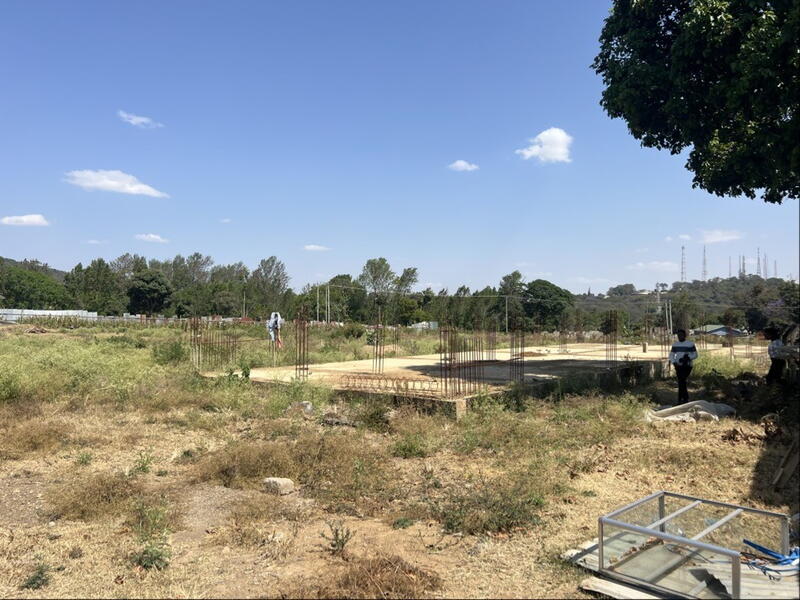
The biggest differences between Durham and Arusha revolved around the budget process, staffing procedures, and the strategic plan. In Arusha:
- The annual budget has to be approved by the regional director and then by parliament, whereas the city council approves the final budget in Durham.
- City staff is hired by the central government and salaries are determined by the Ministry of Finance, whereas staff in Durham are hired by departments and pay structure changes are voted on by the city council and included in the annual budget process.
- The strategic plan is developed on an annual basis and developed by a consultant, with some input from staff. In Durham, the Strategy and Performance team within the Budget and Management Services Department work both with a consultant, city council, staff, and residents to develop a strategic plan every three years.
- Additionally, majority of the city is unplanned. Arusha is determining their land use policies and lacks a comprehensive plan and/or a Unified Development Ordinance (UDO). While both municipalities have dedicated planning and development departments, in Durham, the comprehensive plan and UDO are updated regularly and include resident input.
The major similarities between both cities are:
- The timeline of the fiscal year and the specifics of developing the budget.
- The major expense being salaries and benefits for staff.
- The high priority and value placed on resident engagement.
- The dedication that staff puts forward to provide quality services to residents.
City Expansion
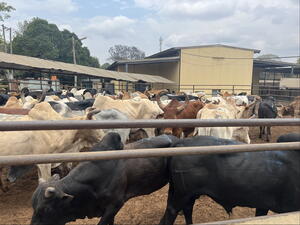
During my two weeks in Arusha, I had the opportunity to explore some of the city’s capital projects including the Arusha Meat Company, the new Kilombero Market, Themi Bus Stand, and various schools and medical centers. Arusha Meat Company provides a meat packing and slaughtering service to residents and generates revenue for the city. Kilombero Market is the city’s largest market, and they are expanding to a larger, indoor market. Various bus companies provide transit services throughout Arusha, across Tanzania, and internationally to Nairobi, Kenya. Themi Bus Stand provides residents with a central location to wait and board their buses.
The Culture
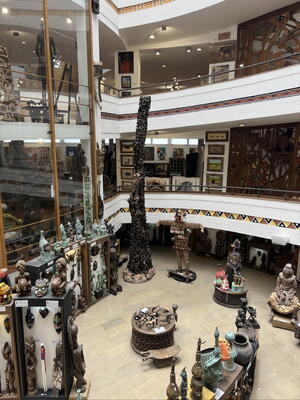
My two weeks in Arusha would not have been fulfilling if I did not experience the city’s culture and history. I had the opportunity to visit the Cultural Heritage Centre and African Art Gallery, which showcase artwork from across the continent and across time periods. Themi Living Garden, owned by the city, is a tapestry of protected forest, walking trails, and a restaurant powered by produce grown onsite. The city is planning to upgrade the garden in the coming years. The Tanzanite Museum showcases the impact of the Tanzanite gemstone on creating revenue for the whole country, as well as its impact on Arusha. Additionally, Tanzania is known for having delicious coffee and Kingstone Asilia and Coffee Farm offered me the experience of grinding my own beans!
Looking Ahead
As an ICMA Local Government Management Fellow, I had no idea of the possibilities of the field of local government management. As someone new to the profession, I could not have asked for a better experience. Following my trip, I am assisting Arusha CC with applying for grant funds to expand and upgrade the Arusha Meat Company. Additionally, thanks to my connection to Sister Cities of Durham, I am hoping to foster greater exchange between these cities. Finally, I hope to continue engaging with ICMA and the Global Engagement Committee to continue fostering international learning in the local government field.
Now more than ever, it is so important for us to learn from people who have different perspectives than us. I hope that the Arusha City Council staff learned as much from me as I did from them, and I am excited to see how this fellowship opportunity fosters even greater international connections for others.
Global Knowledge Exchange Opportunities
Want to participate in a global knowledge exchange opportunity like this one? The ICMA Global Engagement Committee administers global exchange awards to qualifying ICMA members. Learn more about these opportunities and apply today at Tranter-Leong Fellowship and John Garvey Scholarship.
Publish with ICMA!
We’re searching for interesting and insightful stories that can help others learn a memorable takeaway to serve their communities better.
