In a recent Pew Research Center study, U.S. adults who regularly get news from social media influencers were asked to name the first one that came to mind. Their answers? Philip DeFranco, V Spehar, Tucker Carlson, Carlos Eduardo Espina, and MrBeast.
That’s right, people get their news from an over-the-top YouTuber whose infamous give-aways captivate our kids. It might be funny if it weren’t so sobering.
As someone who studies influence and helps local leaders build trust, this study reflects a shift I’ve seen coming for a while: news today is increasingly shared not by traditional institutions, but by people who speak plainly and show up regularly on digital platforms.
For local government professionals, this shift can no longer be ignored. Many administrators hesitate to engage online due to real concerns like limited capacity, fear of public criticism, or legal uncertainty. But silence in the digital space doesn’t protect public trust. It erodes it. Worse, it creates a vacuum that can quickly be filled by misinformation or emotionally charged voices who may not understand your work or share your values.
The reality is you don’t need to go viral to lead online and you don’t need to compete with the outlandish content created by MrBeast. You just need to be visible and credible to your community.
Digital Presence Is a Governance Tool, Not a Gimmick
Gone are the days when public communication flowed primarily through local newspapers, press releases, and town halls. Today, residents expect information to appear in their feeds, and what they see online determines whether they feel informed, included, and represented.
According to Pew, individuals who can name a specific news influencer report stronger emotional connections to those figures and are more likely to follow their content. That insight holds another key lesson for public leaders: digital visibility builds relational trust.
In a time when civic trust is fragile, your ability to communicate clearly and consistently in digital spaces is not just helpful—it’s part of your job. Whether you’re navigating infrastructure investments, a public safety issue, or a tight budget cycle, having a strong digital presence can help demystify your work and build community confidence.
In my experience working with local leaders, the decision to avoid social platforms is often driven by fear. Fear of being misunderstood. Fear of public criticism. Fear of doing it wrong.
But we need to ask: Is our fear doing more harm than good? If civic engagement is essential to democracy, then engaging residents in modern, accessible ways is part of our responsibility. The public square has changed. So must we.
Flat Posts Don’t Build Trust, People Do
If your social media platforms are only sharing links, press releases, or voiceless graphics, your message is likely getting buried. The algorithm won’t prioritize it, and neither will your residents.
What makes someone feel connected to a leader isn’t an official logo or an on-brand graphic, it’s the eye-catching appeal of a real person who is communicating in a human way.
That’s why influencers like MrBeast have become trusted voices, even when they aren’t public officials or subject-matter experts. They show up with their faces and their voices. They speak plainly. They tell captivating stories. And they’re doing it in formats the internet favors.
In their Q1 2025 earnings call, Meta reported a major spike in video engagement on both Instagram and Facebook, especially during a brief TikTok outage. People are not just scrolling for information. They’re looking for video and personal connection. They are looking for you. The trend is consistent across platforms:
- On LinkedIn, video posts generate five times more engagement than text-only updates. Live video generates 24 times more.
- Substack reports that 82% of its top-earning creators now use audio or video, up from just over 50% the year before.
- YouTube is the second largest search engine and the second most visited site after Google.
The message from our media ecosystem is loud and clear: if you want to build trust and connection at scale, video is your most powerful tool.
And have you noticed? We’re also in an era where written content is everywhere and not all of it feels real. AI tools like ChatGPT now have hundreds of millions of users. Our devices are flooded with captions, newsletters, emails, and comments that may look polished but lack a personal voice.
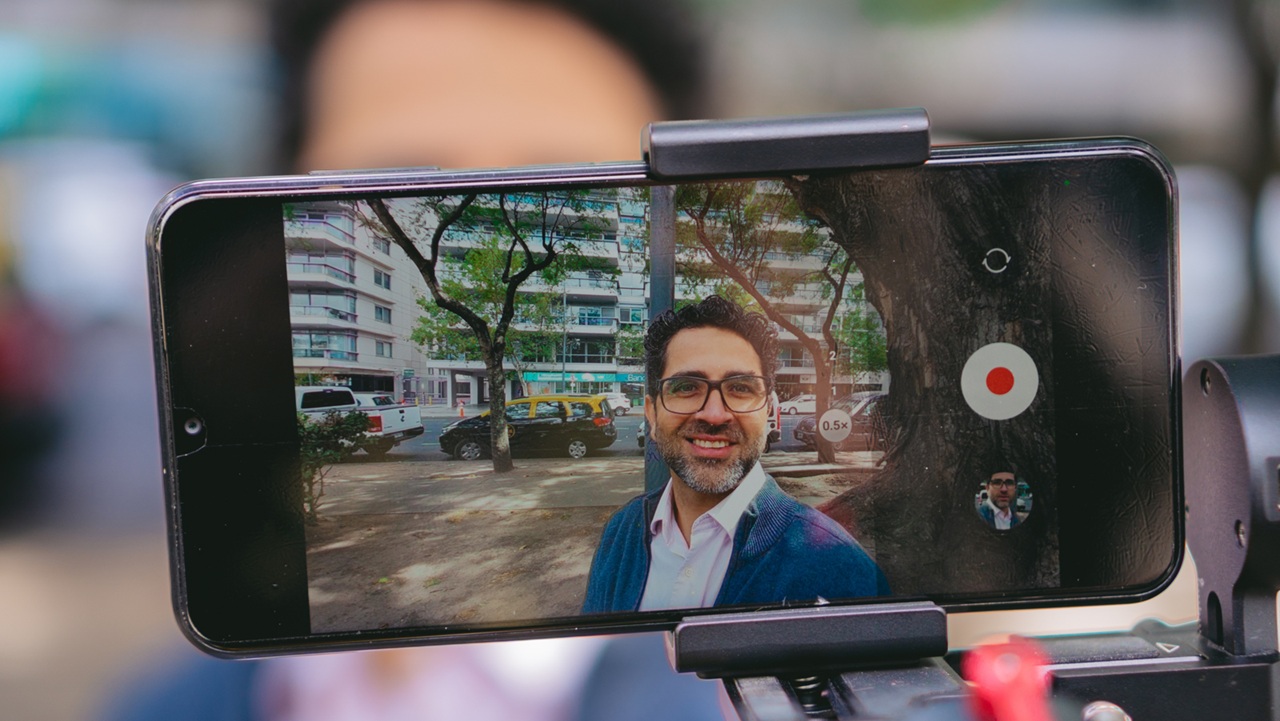
That’s exactly why video is cutting through the noise. It’s a credibility signal. A native dialect of modern influence. When a leader speaks directly to the camera—even briefly—it communicates something powerful: I’m real. I’m present. I understand how to use the tools of this moment.
Leaders need to show up in a way that reflects the communication culture we’re living in now. If your community never sees your face or hears your voice, you are not just missing a communications opportunity, you’re missing a moment to lead.
Legal Considerations: Understand the Rules, Then Step into the Room
A crucial part of stepping into digital visibility is understanding your responsibilities under the First Amendment. In Lindke v. Freed (2024), the U.S. Supreme Court clarified that when public officials use their social media accounts to carry out official duties, they are engaging in “state action” and must follow constitutional rules around public discourse.
If your account shares announcements, solicits feedback, or communicates policy, courts may consider it a public forum. That means:
- You cannot block users or delete comments based solely on viewpoint.
- You should adopt a clear, viewpoint-neutral policy for moderation and post it publicly.
- You must be consistent in how you label, present, and use your account.
Done thoughtfully, communicating more effectively online is not only legally sound, but also vital to our democracy.
How to Lead Online Without Doing It All Yourself
Most leaders are managing complex responsibilities. The goal here is to equip you with easy content ideas that can scale and then empower you or your team without adding even more to your plate. Here’s how:
1. Clarify your communication lane.
Pick one or two key themes like project updates, policy explanations, staff spotlights—and make them your digital signature.
2. Practice, but be real.
Residents trust people more than institutions. When posting a video, it may make sense to practice first but try not to lose your authenticity. Speak plainly. Let your personality and values shine through.
3. Build a rhythm, not a reaction cycle.
Don’t wait for a crisis. A weekly video post will build consistency and familiarity over time. That steady presence matters more than the occasional “perfect” announcement and puts you in a better position, with more credibility, when a crisis requires enhanced communication.
4. Model civility and clarity.
By communicating openly, even when stakes are high, you can model the tone and transparency you want to see reflected back from your community.
5. Empower your team.
If you’re not the one posting, make sure your communications staff or designated social media managers are equipped with the right voice, policies, and training to act on your behalf.
If They See You, They Might Care More
Imagine if social media users saw their mayor, city manager, administrators, or public information officer in their feeds regularly. Not just during campaign season or before a bond initiative, but every week. Sharing their authentic reflections. Showing progress. Owning mistakes. Telling stories.
What might that do for local trust? For voter turnout? For civic engagement? If we want communities to care more about local issues, we must meet them where they are and communicate in ways they understand.
Digital leadership isn’t a trend. It’s an extension of ethical, engaged governance and using your digital influence thoughtfully will make local government feel closer to the people it serves.
Influence today lives online. Let’s make sure the right voices are showing up there.

BRIGETTE ZORN is a strategic communications consultant.
Publish with ICMA!
We’re searching for interesting and insightful stories that can help others learn a memorable takeaway to serve their communities better.
