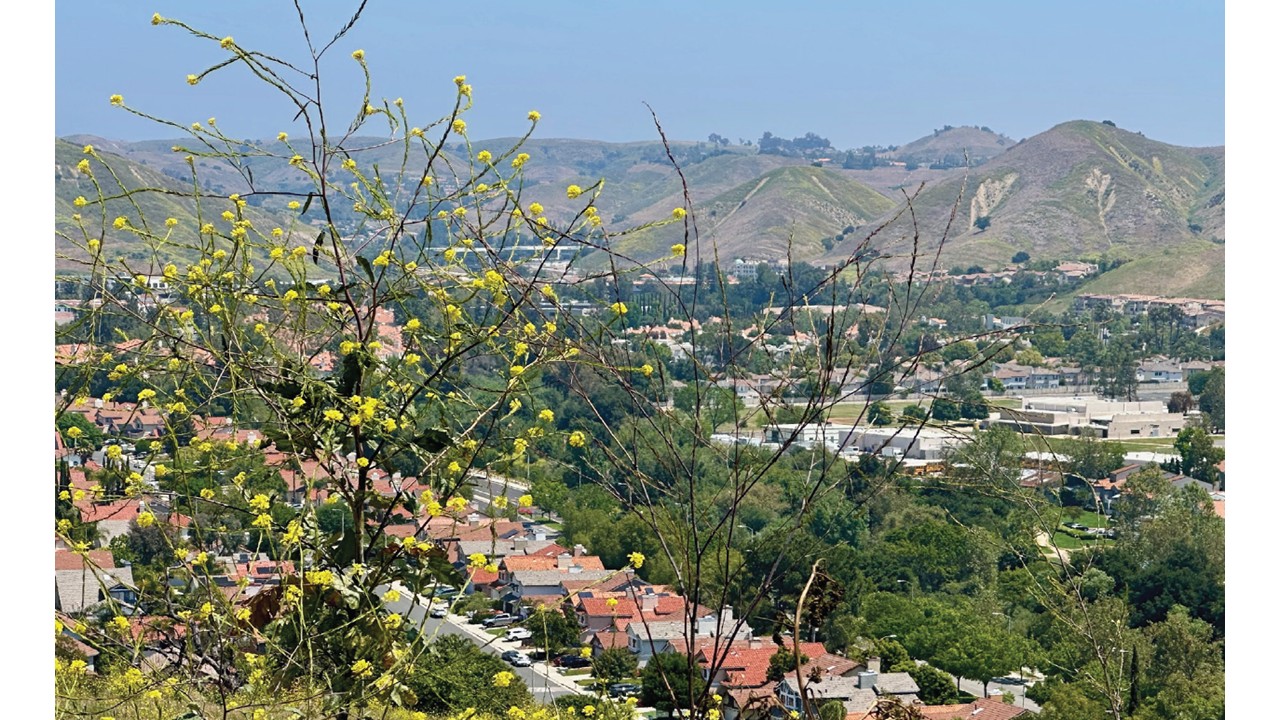
When I look back at my time in Calabasas, the moments that shaped me didn’t happen in conference rooms or during formal presentations. They showed up in unlikely spaces, like the lobby after a late meeting, a facility walk-through, and in a parking lot when everyone else had already gone home. Those small, unanticipated exchanges told me far more about what our community needed than any report or formal engagement ever could.
One of my first wake-up calls came during a walkthrough of the Calabasas Community Center roof project. The building was dark and cold, shuttered for four years, and the gym floor had a scattering of buckets catching rain from the night before. A supervisor mentioned that moving those buckets around had become part of the staff’s routine.
They said it almost jokingly, but I remember thinking that this has become normal for us, and no one outside our team really knows it’s happening. The residents never saw the leaks, only the inconvenience of a closure. That was the moment I realized modernization couldn’t be a buzz word we used in presentations. It meant real, candid honesty about what it takes to keep a building alive and sustainable.
I felt that way again on the day of the community center grand reopening. A long-time resident walked toward me with a huge smile and said she was happy to be back. After a moment, she paused and admitted the place felt different and she wasn’t sure she recognized it. That comment reminded me that when we improve a facility, we’re stepping into people’s memories. We’re rearranging the setting to their routines and pushing them out of their comfort zones. It taught me to talk about what we’re preserving just as much as what we’re updating.
The tennis and swim center brought its own lessons. During a time of intense fee study community feedback sessions and conversations, something became clear. People weren’t actually focused on the fees; they were trying to understand whether they could count on finding a court or getting time in the pool. What they wanted was certainty and that shifted how I looked at fees. If the structure isn’t strong enough to support the experience people believe they’re paying for, then none of it works.
One afternoon on the pool deck, a member asked me why the city couldn’t keep everything “the way it was” while also expanding access, avoiding waitlists, updating equipment, and keeping costs down. She wasn’t angry, just puzzled. I walked her through the essential needs, including long-term repairs, the imbalance between revenue and demand, and how complex the old membership structure had been. She thanked me for the explanation. That stuck with me because most people aren’t looking for perfection, but to feel included in the story of their facilities.
That idea came up again in an email exchange with a resident who disagreed with nearly every part of the new tennis and swim center fee structure. She explained her concerns and I explained the process and the findings. We went back and forth a couple of times and her last response still stands out. She said she didn’t like the changes but appreciated that I took the time to explain them. It reminded me that disagreement isn’t the real threat to trust, silence is.
Our park projects deepened the lesson. At Gates Canyon Park, an inspector pointed out a potential safety problem with one of the slides. It was something only a trained eye would catch. That was one of those moments when you realize how many safety decisions happen behind the scenes. Parents bring their children to a playground believing every detail has been scrutinized and they’re right to believe that. It made me more intentional about explaining delays or last-minute fixes. Most people will accept an interruption or closure if they understand the reason behind it.
All of these moments shape how I think about the ACAO role. It sits between what the community hopes for, what the staff navigates every day, and what the council is working to accomplish. The job is a combination of a translator, problem solver, and steady hand. It’s understanding why someone feels anxious about a change even when the change is the right move. It’s being willing to take the time, slow a conversation down, and walk someone through a decision clearly, step by step.
Modernizing a community facility is not about construction schedules or budgets, but about connection. A building might be concrete and walls to us, but to residents it’s the place where their children grew up, where they worked out after hard days, where they made friends, or where their parents took them decades ago. Any change to the building touches that emotional connection.
Cities everywhere are trying to answer the same questions we’ve faced. How do you update a building without losing the trust you need to keep the work moving? How do you talk openly about the cost of caring for structures that have outlived their original lifespan? How do you keep people engaged even when the choices are difficult? Here’s what has become clear to me:
- Show people what’s behind the decisions.
- Share the compromises, not just the outcomes.
- Bring residents into the conversation before the plans are set.
- Listen intently, even when you know you can’t give them the exact answer they want.
When you do that consistently, trust and modernization don’t conflict, they complement. And for those in the ACAO role, staying grounded in real experience and genuine human moments is what strengthens both the organization and the community we commit to serve.

ERICA L. GREEN is community services director of Calabasas, California.
Publish with ICMA!
We’re searching for interesting and insightful stories that can help others learn a memorable takeaway to serve their communities better.
