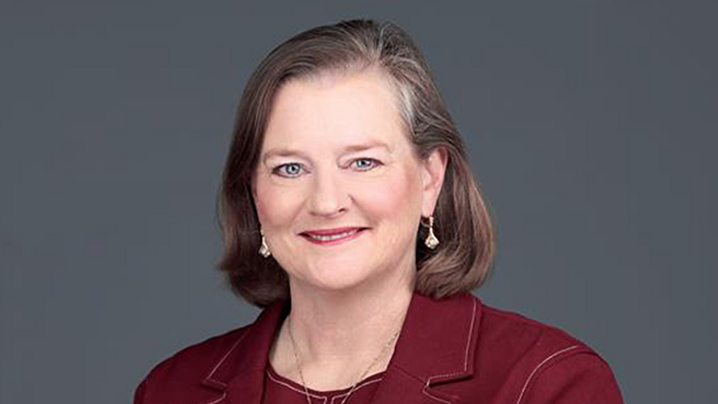
Stepping into the role of CEO/executive director of ICMA as the first woman to serve in this position—and the first female CEO of one of the “Big 7” associations—feels both deeply personal and profoundly bigger than me. I didn’t set out to be “the first.” But I do feel the responsibility (and the privilege) of what it represents: that the door is open wider now, and that our profession continues to evolve toward the inclusive leadership our communities deserve.
The sense of purpose that guides my leadership is simple: help local government professionals succeed in work that matters. I believe the best leadership is less about a title and more about service—showing up with clarity, listening with care, and creating conditions where others can do their best work.
I recognize that being successful requires confidence, and I know that the shadow of confidence is self doubt. We are human, both things can be true, we can be confident and scared. My confidence was shaped throughout my life by parents who raised my sister and me to believe anything was possible—that there wasn’t much we couldn’t do if we put our minds to it.
That belief is required as an athlete, and as a former college fast-pitch softball pitcher, I learned what it means to take the mound, move forward with purpose, and never assume you are less capable than the person in the batter’s box.
Of course, presence is not the absence of doubt. Like many leaders, I’ve wrestled with voices that question whether I belong. Imposter syndrome is an equal opportunity assailant. Over time, I learned to quiet that voice by returning to evidence—moments when someone saw potential in me before I fully saw it in myself.
I still think about the coach who put me in with the bases loaded, no outs, and the 3–4–5 batters due up—protecting a one-run lead. He believed I could strike out the side, and I did. That experience stayed with me because it wasn’t only about performance; it was about trust. It reminds me to lead in a way that communicates belief—especially when the moment is hard and the stakes feel high. That coach, by the way, was my dad. He is not a person I ever want to let down.
So, when people tell me they find my path inspiring, I’m humbled. And I’m also mindful of the larger point: I know I will not be the last. I look forward to the day when we no longer introduce leaders by the fact that they are “a first,” because women in senior roles will be so common that it won’t merit a headline—it will simply be normal.
I also didn’t have a straight-line plan to this role. I had no intention of becoming the executive director of ICMA. I didn’t expect to leave direct service to local government, move into consulting, or start my own firm. Yet each change taught me something essential about leadership: how to build trust, how to navigate new situations, and how to be a steady, candid partner when the work is complex. I never imagined I would do that work—until I was doing it.
Looking back, I think we spend our careers not fully knowing what we are preparing ourselves to do. But each time we say yes—each time we step outside our comfort zone, take on a stretch assignment, or accept an opportunity that feels slightly ahead of us—we make a choice that can open doors we didn’t even know existed.
That doesn’t mean the journey is easy. Getting my first city manager role was hard. When I started interviewing, it wasn’t uncommon to be the only female candidate in the pool. Later, when I became city manager in Rye—also as their first female manager—there were two women candidates. I’ve often thought that not being “the only” helped normalize the idea of a woman in the role. Representation changes the room before you ever say a word.
One of the most important lessons I’ve learned is that leadership is not about position, it’s about presence. It’s how you show up. It’s how you listen. It’s whether people walk away from an interaction with you feeling seen, valued, and more capable than they did before. I learned this from wonderful bosses who lived that example for me. People who trusted me with interim department director roles and with responsibility for solving complex problems that crossed organizational boundaries. Those experiences prepared me for the top job long before I had the title. They taught me to earn credibility through competence, to collaborate across silos (which I like to call cylinders of excellence 😊), and to stay focused on outcomes even when the path is messy.
If you are a woman aspiring to senior leadership, my encouragement is this: don’t wait until you feel 100% ready. Keep building your skills, ask for the stretch assignment, and surround yourself with people who both challenge you and champion you. When doubt shows up—as it does for most of us—return to your track record and the purpose that brought you into public service in the first place. And when you reach for the next rung, bring someone with you. The profession needs your leadership, and the leaders coming behind you need to see what’s possible.
Happy Women’s History Month.
Publish with ICMA!
We’re searching for interesting and insightful stories that can help others learn a memorable takeaway to serve their communities better.
