Mod-Home Initiative
CAO: Joe Chacke
Population less than 10,000
Like many older industrial communities, the City of Pittston has faced decades of housing challenges driven by aging homes, rising construction costs, and limited opportunities for working families to achieve homeownership. Much of the city’s housing stock was built before modern building standards, leaving residents with aging infrastructure, costly maintenance needs, and limited access to traditional mortgage financing. Recognizing that conventional housing programs alone could not solve these structural challenges, city leaders developed the Mod-Home Initiative to create an innovative pathway to affordable homeownership.
The initiative united the city of Pittston, the Pittston Housing Authority, the Pittston Redevelopment Authority, and the North East Pennsylvania Land Bank Authority in an unprecedented partnership. Each organization contributed its unique expertise from land acquisition and redevelopment planning to housing administration and resident outreach, to transform vacant, underutilized properties into opportunities for new homeownership. By aligning resources and coordinating planning, financing, and regulatory efforts, the partnership accomplished what no single organization could have achieved independently.
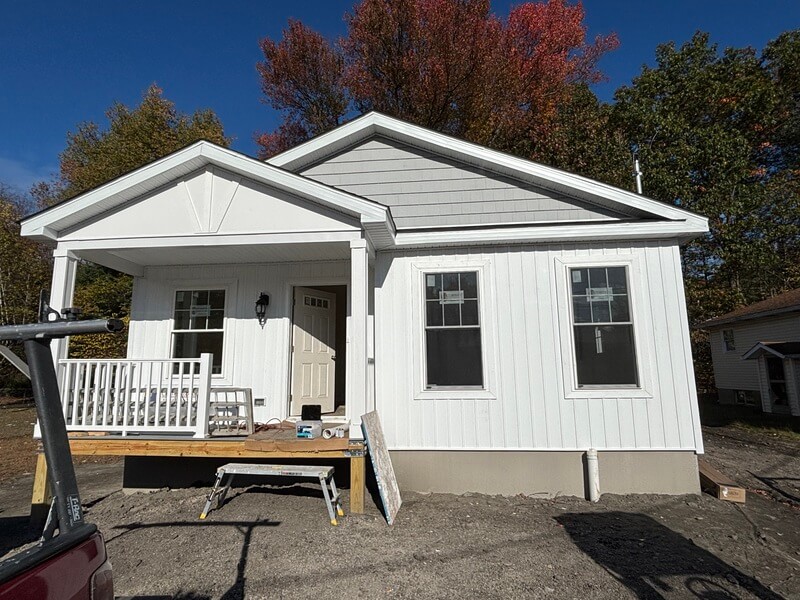
At the heart of the initiative was a modern approach to affordable housing construction. Using modular building techniques, approximately 70 percent of each home was fabricated off-site, reducing construction delays, controlling costs, and shortening the overall project timeline to just seven months. The project delivered two energy-efficient, code-compliant homes while demonstrating that modular construction can provide high-quality housing more quickly and cost-effectively than many traditional building methods.
The Mod-Home Initiative also introduced an innovative rent-to-own model designed specifically for working families who are financially capable of sustaining homeownership but struggle to qualify for conventional mortgages. Residents build equity through monthly payments that contribute toward a future down payment, benefit from stabilized rent during the early years of occupancy and have the flexibility to purchase their homes at any point during a ten-year lease term. This creative financing model helps bridge the gap between renting and owning while expanding long-term housing stability.
Beyond constructing new homes, the initiative strengthened neighborhoods by eliminating blighted properties, returning vacant lots to productive use, and expanding the local tax base. The project demonstrated how strategic public partnerships and thoughtful planning can address housing shortages while improving neighborhood appearance, increasing property values, and creating lasting opportunities for residents. With additional homes already planned, Pittston has created a scalable model that other small and mid-sized communities can replicate to expand affordable housing, revitalize neighborhoods, and open new pathways to homeownership.
