Hopkinsville Fire - Christian County EMS Paramedic Program
CAO: Troy O'Neil Body
Population 10,000 to 49,999
Across Kentucky, a growing shortage of paramedics has placed increasing pressure on emergency medical services, threatening response times, and community safety. Recognizing that traditional training methods alone could not meet the state’s workforce demands, Hopkinsville Fire–Christian County EMS developed an innovative paramedic education program designed to remove barriers to entry while maintaining the highest standards of clinical excellence.
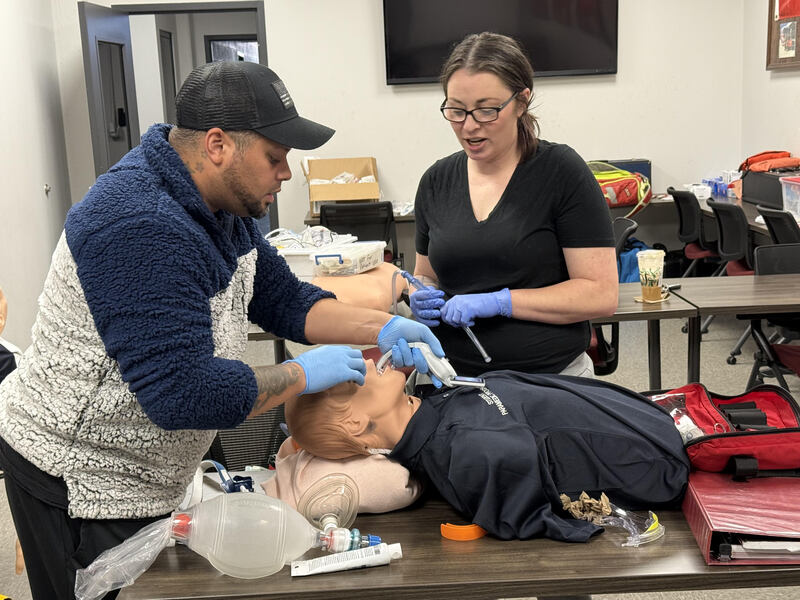
Rather than relying on conventional classroom models, the department created a flexible hybrid training program that combines online learning with structured, hands-on instruction at regional skill-testing sites throughout Kentucky. This approach allows students to complete much of their education closer to home, reducing travel costs, improving accessibility for working adults and rural students, and creating a scalable model that can expand without significantly increasing operating costs.
The program has already delivered remarkable results. In just one year, Hopkinsville Fire and EMS graduated 92 paramedic students, a number comparable to the total annual graduates from many of Kentucky’s training programs combined. Participants have achieved an 83 percent retention rate, well above national averages, while students completing certification testing have earned a 100 percent pass rate on the National Registry of Emergency Medical Technicians examination. These outcomes are helping strengthen EMS staffing across Kentucky while improving emergency preparedness for communities statewide.
Beyond addressing an immediate workforce shortage, the program demonstrates the power of strategic local government leadership and innovation. By leveraging existing resources, forging strong partnerships, and embracing technology, Hopkinsville created a sustainable model that other communities can replicate. The initiative has already attracted interest from emergency service agencies across the country and highlights how local governments can develop creative solutions that improve public safety, strengthen essential services, and produce lasting benefits far beyond their own city limits.
